Author-Gustavsen Voss
If you're considering vision improvement options, PRK eye surgical treatment may be on your radar. It's made to reshape the cornea, assisting with astigmatism, nearsightedness, and farsightedness. Unlike LASIK, PRK skips the corneal flap, making it a practical selection for those with thinner corneas. However is mouse click the next site for you? Let's explore how PRK works, its advantages over LASIK, and what dangers you should know.
How PRK Surgical Treatment Fixes Astigmatism, Nearsightedness, and Farsightedness
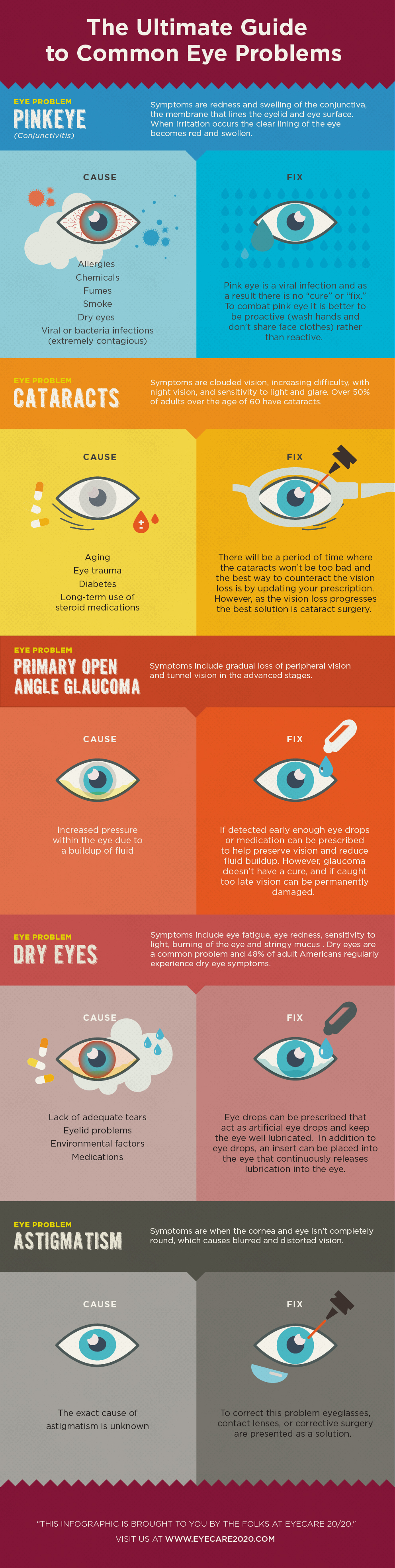
PRK surgical procedure effectively fixes astigmatism, nearsightedness, and farsightedness by reshaping the cornea.
During the procedure, your eye cosmetic surgeon utilizes a laser to eliminate a thin layer of corneal cells, allowing light to focus properly on your retina. This change alters the curvature of your cornea, addressing the specific refractive mistake you have.
If you're myopic, the laser squashes your cornea; if you're farsighted, it steepens it; and for astigmatism, it smooths out abnormalities.
After surgical procedure, your vision normally enhances as your eyes heal, though healing might take longer than with LASIK.
PRK's efficiency makes it a viable choice for those seeking quality in their vision without glasses or calls.
Conveniences of Deciding On PRK Over LASIK for Vision Correction
While many people take into consideration LASIK for vision improvement, selecting PRK can provide one-of-a-kind benefits that make it an engaging choice.
Among the standout benefits is that PRK does not include reducing a corneal flap, which lowers the risk of difficulties associated with flap-related concerns. This makes PRK especially appropriate for individuals with thinner corneas.
Furthermore, PRK has a tried and tested record for treating greater levels of astigmatism and works for those with completely dry eyes, as it preserves more corneal nerves.
The recuperation process can be a bit longer, but many discover that the results deserve the wait.
Ultimately, choosing PRK can provide you with stable, durable vision improvement tailored to your specific needs.
Are There Threats or Downsides to PRK Eye Surgical Treatment?
What should you find out about the threats or disadvantages of PRK eye surgery? While PRK can effectively correct vision, it is essential to be knowledgeable about potential issues.
You could experience pain, consisting of burning or irritation, throughout the initial recuperation stage. you could check here , however some clients report long term sensitivity to light.
In addition, there's an opportunity of under-correction or over-correction, which might necessitate further treatments.
Vision recovery might take longer than with LASIK, often a number of weeks. You may additionally deal with a greater risk of haze development, especially if you have a background of dry eyes.
Always consult your eye care specialist to talk about these dangers and establish if PRK is the right option for you.
Conclusion
In conclusion, PRK eye surgical treatment can successfully correct astigmatism, nearsightedness, and farsightedness by improving your cornea. It provides distinct benefits over LASIK, particularly for those with thinner corneas. While recovery takes longer and might include some discomfort, the possibility for secure, durable vision makes it a rewarding factor to consider. Always speak with your eye care expert to figure out if PRK is the appropriate choice for your vision requires. Take the first step towards more clear sight today!